

 The NHS offers everyone aged 40 to 74 a full health check every five years, aimed at reducing the risk of heart disease, stroke, Type 2 diabetes, kidney disease and some types of dementia. Most surgeries offer an annual check-up for all patients over 75.
If you’re aged over 65, you’ll also be told about symptoms of dementia to look out for, as some types of dementia have the same risk factors as these conditions. You can also be given details of local services that help with dementia.
 The NHS offers a full programme of screening for a wide range of diseases and conditions, including breast cancer, prostate cancer, cholesterol, heart disease. The screening offered depends on age, health and family history. They also offer annual flu and pneumonia vaccinations.
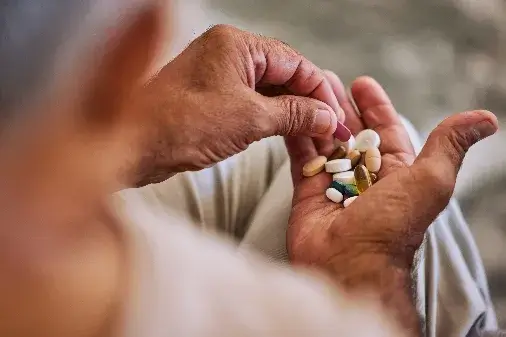 If possible, accompany your elderly relative to their GP regularly to review their medication. Ask questions about possible drug interactions, and take note of any new symptoms (drowsiness, allergic reactions, loss of appetite and others) after starting or changing medications.
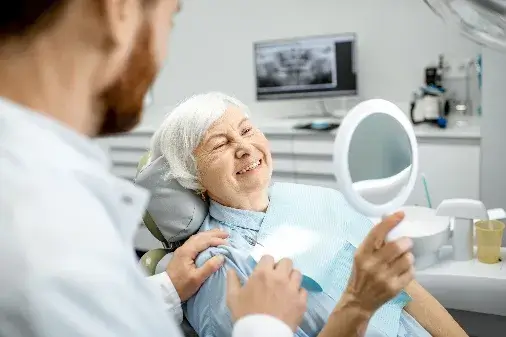 The risk for cavities goes up with age. Plus, many mouth infections can be linked to serious health conditions, such as diabetes, heart disease and stroke. So elderly people should visit the dentist regularly for check-ups.
You might have to contact a few different practices to find one with availability, as some dentists have a waiting list for NHS appointments and some might not be able to take on new NHS patients at all.
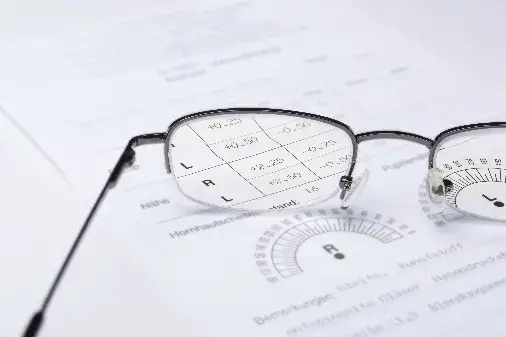 Older people should have an eye test and get their prescription checked every year for changes, as well as have their eyes screened for health issues such as glaucoma. Having the right pair of glasses can significantly reduce the risk of falls.
If someone drives, it’s particularly important to get tested regularly as age-related changes can affect eyesight quite dramatically.
The ophthalmologist will also be able to spot signs of cataracts developing and will advise and refer for cataract surgery if necessary.
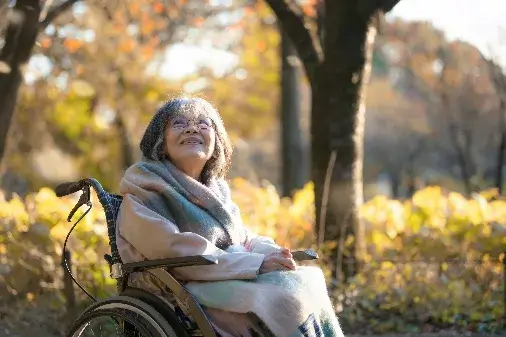 Good health isn’t only about the body; it’s just as important to care for the mind. Mum or Dad may sometimes feel low, anxious, or withdrawn, and these changes can be easy to overlook. Paying attention to signs such as losing interest in favourite activities, struggling with sleep, or finding it hard to stay connected with others can help spot when extra support might be needed. Talking openly, reaching out to friends or family, and seeking professional advice are all positive steps.
Research shows that mental stimulation helps to ward off a decline in mental health. Crossword puzzles, quizzes on the TV, books and radio plays and discussions, are just a few of the ways you can encourage them to stay mentally active and engaged with the world.
Technology today can be a gentle companion as well as a practical tool. Simple apps can remind Mum or Dad to take medication or keep track of sleep, while video calls and online groups help them stay connected with friends and family even from home. Relaxation and mindfulness apps can guide breathing or meditation, offering calm moments during the day. And if signs of low mood or anxiety appear, many services now make it easier to reach professional help online, without the worry of travel or waiting rooms.
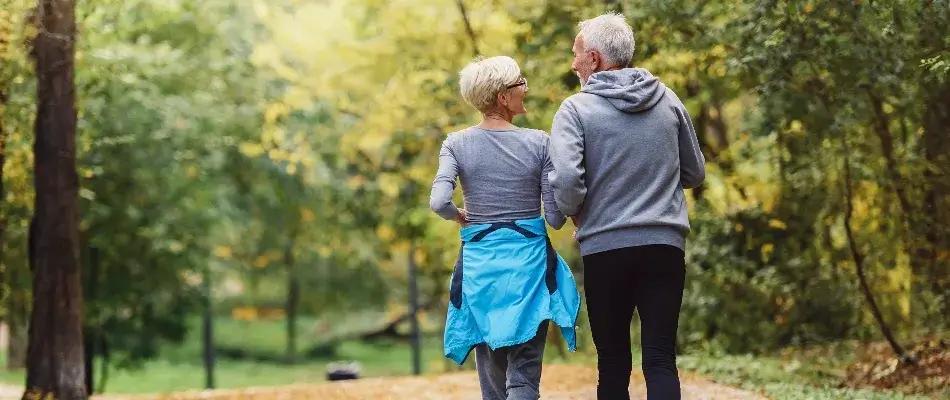
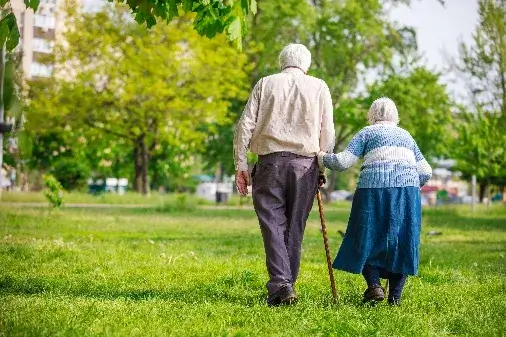 Exercise not only increases energy but improves memory and alleviates depression. Short strolls, long walks or an exercise programme approved by a GP, can keep elderly people healthier longer. Even better, find an exercise class or a local walking group. It’s so much easier to keep motivated in the company of other people.
Speak to a GP first is someone hasn’t exercised for some time, or if there are medical conditions or concerns. Make sure the activity and its intensity are appropriate for the person’s level of fitness.
Some ideas to keep healthy (and sociable) could be:
- Walking the dog
- Gardening
- Days out with friends
- Exercises classes
- Gym membership or you can opt the home gym
- Swimming
- Simply having a dance round the kitchen while the kettle’s boiling!
 The digestive system slows down with age, so high-fibre fruits, vegetables and whole grains are as important as ever. Because elderly people are prone to dehydration, they should drink plenty of water to stay energised and sharp. Have a look at this article on nutrition and hydration.
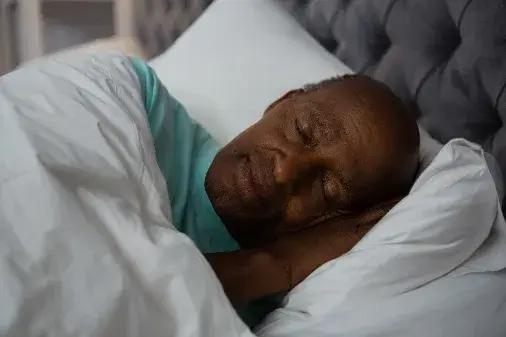 Insomnia and frequent waking in the night are common among elderly people. There is nothing wrong with a nap in the afternoon to catch up on some sleep, but it’s important to ensure the bedroom is a calm, quiet and comfortable place for them to get as much sleep as they need.
Short naps can be refreshing, but long or late naps may interfere with nighttime sleep.
Persistent insomnia, frequent waking, or feeling tired every day are not “just part of aging”. Talking to a doctor can uncover underlying issues.
 Time spent with friends, children and grandchildren helps elderly people feel connected, especially if they have mobility issues. And those visits can make elderly people feel more upbeat and laugh, which is the best medicine at any age.
If possible, help your elderly relative keep up with technology so that they can stay in touch with family and friends even if visits aren’t easy to arrange.
Befriending Services
Age UK and partner charity The Silver Line offer free telephone friendship services offering a chat with someone over the phone, all from the comfort of home, whether it’s a regular call, or just the chance to talk when the need strikes.
Face-to-face befriending services are available at many local Age UKs. They will often involve a volunteer befriender visiting an older person in their home, perhaps for a cup of tea and a chat, or accompanying them to an activity (such as a trip to a cafe or the theatre). In some cases, a volunteer may accompany the older person to occasional hospital or doctor’s appointments.