When a loved one returns home after a hospital stay, the focus is ensuring they recover as quickly and comfortably as possible. Whether home after surgery, an illness or an infection, the right diet can support their recovery and help regain strength.
In this article, Fiona Brannigan, registered Dietician, shares practical tips and advice to help you care for all the nutritional needs, promote recovery, and ensure they feel their best in the days and weeks following their discharge.
Managing a poor appetite
A reduced appetite is quite common after a stay in hospital. The first thing is to try and identify why your loved one doesn’t feel like eating. It could be because they feel sick, have constipation or diarrhoea; they may be in pain or are feeling low, or because the medication or treatment is making them not feel hungry.
Please take advice from the medical team or GP if you are concerned, and if their appetite does not seem to improve over time.
Tips to help with a poor appetite
Hopefully a reduced or poor appetite will improve by itself once your parent or relative has settled back into home, and is recovering. There are some helpful ways to encourage someone to eat:
- offer smaller portions of enjoyed foods. It may be more appealing to offer smaller amounts of food on a side plate and offer 2 courses.
- Little and often – aim to eat every 2-3 hours, offer snacks e.g pancakes, scones, cheese & crackers, full fat yoghurts (often childrens sized portions are helpful)
- When caring for someone who has been ill or wanting to get back to normal it might feel that eating a ‘proper meal’ of meat and two veg is the best way to go. However, there can be as much nourishment in a slice of buttered toast, scrambled egg, a spoonful of beans and a sprinkle of cheese followed by a tub of custard with a spoonful of tinned fruit.
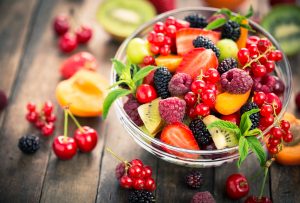
- Try and encourage some fruits and vegetables each day, smoothies, fruit juice, dried fruit and tinned fruit with custard or ice cream can be helpful.
Nourishing drinks
These are a great way to increase the energy and protein content of someone’s diet. Use full fat or cream milk and use it to make hot chocolate, cocoa, milky coffees and malted drinks. The idea is you use as little water as possible.
Another way to boost the nutritional content of full cream milk further is to make fortified milk.

Fortified milk recipe – Place 4 tablespoons skimmed milk powder into a jug and add small amount of full cream milk to make a paste then gradually stir in rest of the pint of milk.
A pint of fortified milk has approximately 590 Kcals and 40g protein – compared to a pint of regular full cream mile which has approximately 370 Kcals and 18g protein.
Use as you would normally use milk – with cereal, in drinks etc. Fortified milk is often better tolerated than commercial high-protein drinks, which can be thick and difficult for older adults to consume.
Dietary basics to support overall recovery
For the body to repair and recover it needs a range of nutrients. Even if someone’s appetite is smaller than usual encourage them to have a well-balanced plate. Each meal should contain a source of :
- Protein – meat, poultry, fish, eggs, cheese, milk, tofu, tempeh, beans, legumes, pulses or lentils
- Carbohydrate – bread, pasta, rice, breakfast cereals, oats, potatoes, other cereals
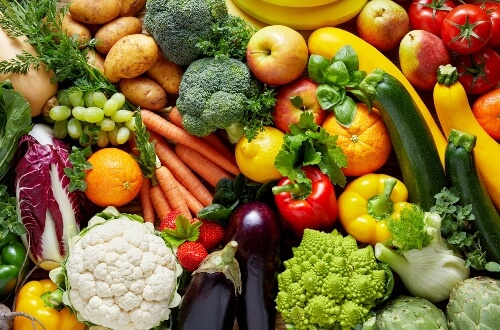
- Fibre – aim for 5 portions of fruit and vegetables per day. This will give a wide variety of vitamins and minerals to help the body heal as well as fibre to keep the bowels moving. Tinned, dried and frozen can be just a nutritious as fresh. A word of caution though for diabetics no more than 30g dried fruit per day eaten at the end of a meal, fruit juice no more than 150mls with food and canned fruit to be in natural juice
Why hydration matters in recovery:
For your digestive system work effectively, fluid is just as important as fibre in keeping things moving along. Fluids also help keep skin in good condition, help to regulate body temperature; lubricates joints, helps maintain blood pressure and reduced the risks of falls.

Recommended daily fluid intake:
Women – 3 pints (1600ml) and Men 3.5 pints (2000ml).
It is not just water that counts – all fluids – squash, fizzy drinks, milk, fruit juices, tea, coffee, hot chocolate, malted drinks and alcohol at 4% or less. For diabetics – no added sugar drinks and only 150 ml of fruit juice every day.
Fluids and dealing with constipation
As you get older your digestive tract naturally slows down and you may find you are more prone to constipation. Add in a period of being unwell, reduced activity and potentially painkillers – you can very quickly start to feel quite uncomfortable.
Many people think that constipation is when you don’t open your bowels every day, this is not the case in fact you can open your bowels each day and still be constipated. Constipation is when you find it hard to pass your poo, you may need to strain, it may come out hard like rabbit droppings or you may feel like you have not completely emptied your bowels.
Fibre and fluid: a balanced approach
It is best to establish a good fluid intake before increasing fibre. Additional fibre in the absence of adequate fluid can worsen constipation. There are two foods that I recommend as they will not worsening bloating;
- Kiwi fruits – aim for 2 per day
- Chia seeds – up to 2 tablespoons per day
Increasing fibre should be done gradually over 3-4 days.
A remedy favoured by some people is to increase bran in the diet, this can sometimes be counterproductive and worsen constipation as without adequate fluid it can cause your poo to harden further inside the bowel.
Alongside fibre and fluids, gut health is another important factor in post-hospital recovery, especially if antibiotics have been used.
How to restore gut health after antibiotics
Antibiotics wipe out all the bacteria both good and bad. Science has now shown us the important role that the gut plays in managing inflammation, infection and immunity. Rebuilding the beneficial community of bacteria, virus and fungi (often referred to as the microbiome) that live there is important for recovery.
To do this incorporate a variety of fruit and veg., wholegrains, beans and pulses; lentils, seeds and nuts, and herbs and spices. The gut microbiome is as unique as your finger print, therefore it is preferable to allow the body to do its own work as opposed to spending money on probiotics.
Wound Healing and Pressure Sores
Eating a well balanced diet – 5 a day – is all that is required if your loved one’s appetite is healthy. If they are struggling to eat well, this can slow down wound healing, so do please take advice.
Meal Options When Homecare Is Involved
If paid carers are helping your loved one to recover, then it may be an idea to plan meal options that are quick and easy for them to prepare.
There is a wide range of supermarket ready meals, some in single portions; and also a variety of meal delivery services, many of which have particular dietary options. These may include:
- Parsley Box
- Wiltshire Farm Foods
- Appetito
- Oakhouse Foods
- ICare
- Cook!
These services offer convenience and ensure meals are readily available, helping to support recovery and maintain independence.
Nutritional supplements
If prescribed nutritional supplements by a Dietitian or doctor such as Ensure or Fortisip offer these in between meals not instead of.
If the volume is proving a challenge offer in smaller ‘doses’ e.g split each bottle into 3. Bear in mind that concentrated forms (often called compact) maybe less to take but are often thicker and reduce fluid intake.
You can also use nutritional supplements in recipes, each company produces their own and you will be able to find them online. If you are unsure about supplements then please ask a professional dietician or expert.
Special considerations
Advice for Diabetics
Blood sugars can be erratic when recovering from illness or if there is an underlying infection. Focus on trying to eat little and often, choosing wholegrain products, protein and fibre. If concerned please seek advice from your GP or diabetic nurse.
Managing digestive issues when taking painkillers
For those on opiate painkillers such as codeine, tramadol, morphine or fentanyl dietary measures alone are unlikely to help constipation. In these cases, prescribed laxatives will likely be necessary. Speak with your GP or pharmacist for appropriate advice and support.
Please also remember that bowels are a normal bodily function and whilst it might not be the nicest of conversations it is important to get help with it quickly.
Supporting a loved one’s recovery after a hospital stay can feel overwhelming, but focusing on their nutrition and hydration is a vital step toward helping them regain their strength and well-being.
If you’re unsure or need specific advice, don’t hesitate to consult a healthcare professional.
Fiona Brannigan (Bsc Hons RD) is a registered dietitian specialising in helping individuals over 50 manage their health conditions and gut symptoms. With nearly 25 years of experience, she’s dedicated to giving her clients confidence in their diet so they can enjoy a full and vibrant life without second-guessing every meal. Fiona offers practical, personalised nutrition advice tailored to the needs of older adults. Her passion is empowering people to make informed dietary choices and improve their well-being. Want to find out how Fiona can help you or a loved one? Check out her website: Inspirit Nutrition and Dietetic Consultancy – Nutrition & Diet Advice