



When someone is living with dementia, putting a lasting power of attorney (LPA) in place early can make a huge difference later on. Dementia is a progressive condition, and over time a person may struggle to make informed decisions about their finances, healthcare or living arrangements. An LPA allows them to choose someone they trust to make decisions on their behalf if they are no longer able to do so themselves. It helps ensure their wishes are respected and can prevent a great deal of stress, delay and uncertainty for family members in the future.
What is a lasting power of attorney?
There are two types of lasting power of attorney in England and Wales. A property and financial affairs LPA covers decisions about money and property, such as managing bank accounts, paying bills, selling a home or arranging repairs. A health and welfare LPA covers decisions about medical treatment, care arrangements, where someone lives and day-to-day wellbeing. Many families choose to set up both.
Why is it important to set one up now?
An LPA can only be created while the person still has mental capacity to understand what they are signing and is making the decision freely. This is why it is so important not to delay once dementia has been diagnosed, or even when memory problems first begin to emerge. As dementia progresses, a person may no longer be considered able to set up an LPA, even if they are still managing reasonably well day to day.
How does the process work?
The process itself is manageable, but it does require careful attention. The person making the LPA (known as the “donor”) chooses one or more trusted people (“attorneys”) to act on their behalf. These are often adult children, a spouse, close friend or trusted adviser. The forms can be completed online through the UK government website or using paper forms. They must then be signed in a specific order and registered with the Office of the Public Guardian before they can be used.
Costs and timescales
The registration fee is currently £92 per LPA, meaning up to £184 if both types are set up. A 50% fee reduction is available for donors whose annual income is below £12,000, and further reductions or exemptions may apply for those on certain means-tested benefits. Once submitted, registration can take considerably longer than many people expect: the Office of the Public Guardian has at times quoted processing times of 20 weeks or more, so it is important to plan ahead rather than wait for a crisis.
Getting help with the forms
Although many people complete the forms themselves, others prefer to use a solicitor or specialist service to avoid mistakes, especially if family circumstances are complicated. Errors in the forms or signing process can lead to delays or rejection.
If no LPA is in place
If someone loses mental capacity without an LPA in place, family members do not automatically have the legal right to make decisions for them. Instead, relatives may need to apply to the Court of Protection to become a “deputy”. This process is usually more expensive, more time-consuming and involves ongoing supervision fees and annual reporting requirements. In some situations, important decisions about care or finances may end up being made by professionals or the court rather than by the family.
Planning further ahead
Alongside an LPA, some people also choose to make an advance decision (sometimes called a living will), which records treatments they would not want in the future, and to discuss wishes around resuscitation or end-of-life care. While these conversations can feel difficult, planning ahead often gives both the person with dementia and their family greater reassurance, clarity and peace of mind.
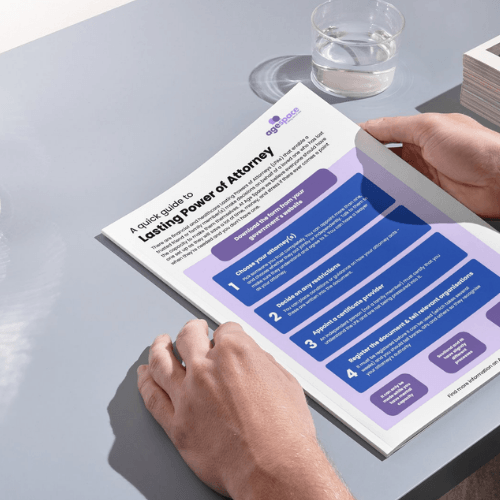
Download our simple pdf with this information on to print and share with your family