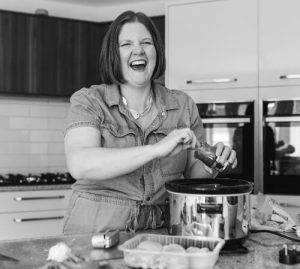
Fiona Brannigan (Bsc Hons RD) is a registered dietitian specialising in helping individuals over 50 manage their health conditions and gut symptoms.
The holiday season can be a whirlwind, especially if you’re also caring for elderly relatives. With food and gift shopping, preparing Christmas food, and extra outings and activities, maintaining good nutrition often takes a backseat.
Yet, eating well is crucial for both carers and their loved ones to stay healthy, energised, and resilient during this busy time. Here our nutrition expert Fiona Brannigan explores practical tips and strategies for ensuring you and the whole family enjoy balanced, nourishing meals, even amid the seasonal chaos. With a little planning and thoughtful choices, you can keep your health on track this Christmas.
1. A pattern of eating well
During festive period the chat around ‘good’ foods and ‘bad’ foods can reach epic proportions. The truth of the matter is that unless you have an allergy there are no foods you should be avoiding because they are ‘bad’. It’s all about balance – across the festive period – not just one day.
Christmas time can bring an abundance of hyper-tasty foods laden with sugar and fat that can be hard to resist. However, it is your overall dietary pattern over time that is important.
A good way to think about it is the 80:20 rule, with the focus on eating healthy foods 80% of the time and indulging in not-so-healthy foods for 20% of the time. You can also think about this in terms of meals and the 4:1 rule – four out of five meals are well balanced and healthy, every fifth meal can be something a little more indulgent. This simple strategy is an easy way to manage your diet not just over Christmas, but all year round.
2. Make a meal/food plan ahead of time
The festive season is called the “silly season” for a reason—it’s BUSY! With social gatherings and other events, gift shopping and wrapping, preparing the house, the to-do list can feel endless. And as the days slip by towards the main event so it can all become almost overwhelming.
Taking a bit of time – 20 minutes at the start of the week – to plan meals and shopping for food – can make a huge difference.
This simple step reduces the risk of last-minute supermarket stops or resorting to party food or takeaways. It’s also a great time to dust off your slow cooker or try batch cooking for quick, easy meals. Websites like BBC Good Food or The Batch Lady offer fantastic recipe inspiration.
If you’re short on time, meal kit services like HelloFresh or Gousto can be a lifesaver. While they’re not the cheapest option, discount codes are often available. These kits make meal prep simple, with pre-measured ingredients and clear instructions. Tried over Christmas, they could become good options for a parent or relative throughout the year.
3.Don't skip meals because you're going out later
Skipping meals to “save calories” for an event often backfires. By the time you arrive, you’re likely ravenous, with a headache, and craving quick-energy foods—typically those high in sugar and fat. Eating too quickly can lead to overeating, and if alcohol is involved, it amplifies both your appetite and the effects of the drink.
Instead, stick to your usual routine with well-balanced meals, including carbohydrates, protein, and fiber. A balanced snack between lunch and your evening plans—like fruit and yogurt, apple with peanut butter, or hummus with veggies—can also help.
Calories aside, irregular eating can lead to digestive discomfort, such as indigestion, bloating, gas, diarrhoea, or constipation.
4. Cooking and caring for an elderly parent
If you’re caring for or hosting your elderly parents or relatives, Christmas can add an extra layer of stress. I know from personal experience you may need to buy gifts for them to give, take them to visit friends or relatives and remembering to order prescriptions before the deadline at the GP surgery. And that’s all before you get to the big day itself!
Appetites and tastebuds change with age and often with medication. Elderly parents and relatives may prefer smaller meals and less rich food so being adaptable is key. Keeping a stock of their favourite foods and snacks will keep everyone happy and well-fed.
Consider the foods that your parent or relative prefers, what are their likes and dislikes?
You may need to keep portions small, and even simplify what is on the plate. Speak about the food and what they're going to eat, and how it is on the plate. Check in with them during the meal to see if they are managing, and discreetly offer help, if needed.
Finger food might be preferable to a traditional Christmas dinner. People may struggle with cutlery, leading to frustration. A festive apron at the table is a subtle way to help the person with dementia maintain dignity and feel respected and included.
If the person enjoys an alcoholic drink, they should be free to enjoy one, but alcohol can interfere with certain types of medication or can be disorientating. Speak with your pharmacist or health professional if you’re unsure whether it is safe. Alternatively, you could offer alcohol-free varieties of beer and wine.
5. Eat what you all enjoy
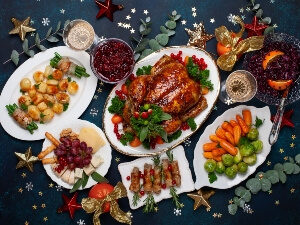
Are you are a foodie like me? (hello profiteroles, dauphinoise potatoes, stuffing and pigs in blankets!). Or maybe for you it is about not cooking and getting a pizza or a takeaway then please enjoy the foods you want to have at Christmas.
Often you can buy smaller servings of things like turkey and hams that feed 2-4 people. Leftovers can be frozen and enjoyed at a later date or turned into a pie. My favourite dinner is boxing day where I fill my plate with leftovers and heat it up in the microwave.
6. All things in moderation
Alcohol is a gastric irritant and can worsen any digestive issues you may already suffer from. It can also lower blood sugars and worsen balance issues.
Alcohol contains ‘empty calories’ i.e. those with no nutritional value and can increase your appetite not just only when you are consuming it but the following day too. Leading to cravings for carbohydrate and fat laden foods., lets be honest; no one has ever overeaten a fruit bowl when suffering the effects of alcohol!
Always try and alternate an alcoholic drink with a non-alcoholic one.
7. Exercise that you enjoy
Exercise often gets put on the back burner during the festive period. Staying active doesn’t have to mean hitting the gym – getting out for a walk or kitchen dancing (my favourite) can be a great way to stay active.
Movement supports your digestive system, boosts feel-good hormones, and helps reduce stress, making it a worthwhile addition to your day.
8. It's all about making memories
If nothing else, take a deep breath and roll with it. Even if things don’t always go to plan there is usually a funny story to be found – eventually!
Wishing you a joyful, healthy, and stress-free festive season!

Fiona Brannigan is a registered dietitian specialising in helping individuals over 50 manage their gut symptoms alongside other health conditions. With nearly 25 years of experience, she’s dedicated to giving her clients confidence in their diet so they can enjoy a full and vibrant life without second-guessing every bite. Fiona offers practical, personalised nutrition advice tailored to the needs of older adults. Her passion is empowering people to make informed dietary choices and improve their well-being. Want to find out how Fiona can help you or a loved one? Check out her website www.inspiritdiet.co.uk